Streatham High Road house removals tips for narrow streets SW16
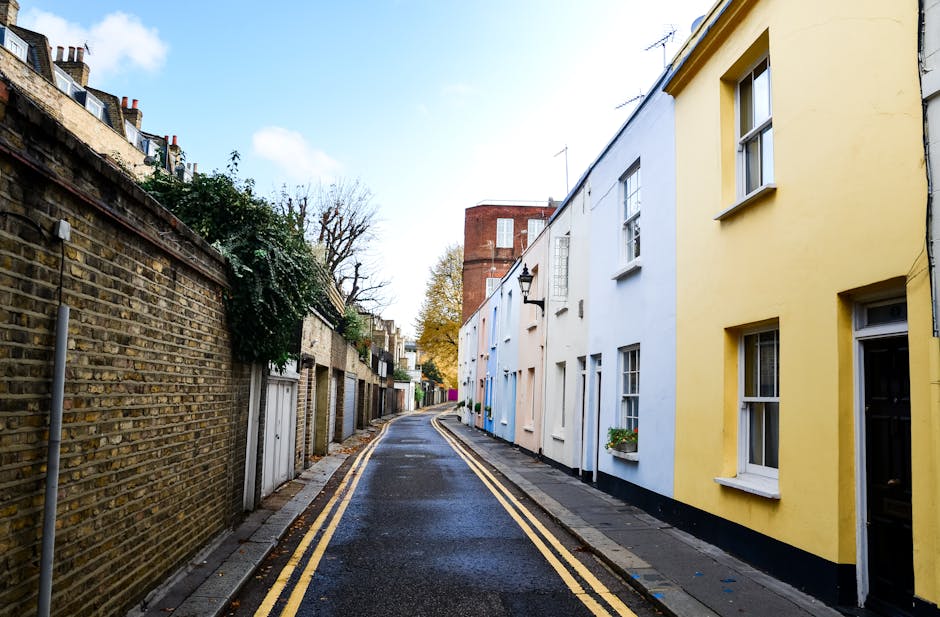
If you are moving house along Streatham High Road, you already know the challenge: busy traffic, tighter side streets, awkward parking, and the kind of front door access that looks simple until a van pulls up. These Streatham High Road house removals tips for narrow streets SW16 are designed to help you plan a move that feels calmer, safer, and far less chaotic. The good news? With a bit of local thinking and the right preparation, even a tricky London move can run smoothly.
In this guide, we will walk through what makes narrow-street removals different, how to prepare your home and vehicle access, what mistakes to avoid, and how to choose the right moving support for a tight SW16 route. There is a practical checklist, a comparison table, and a real-world example too, because let's face it, theory is nice, but moving day is where the details matter.
Why Streatham High Road house removals tips for narrow streets SW16 Matters
Streatham High Road is busy, lively, and very much part of everyday south London life. That is exactly why house removals there need more thought than a standard suburban move. Narrow residential roads off the main strip can make stopping, loading, and turning a headache. If two vehicles meet at the wrong moment, the whole schedule can slip.
A move in SW16 matters because the smallest decisions often have the biggest effect. Where the van parks. Which side of the road the crew loads from. Whether the stairs are clear. Whether the sofa will actually fit through the front hall without a minor drama. These are not small details on moving day, they are the day.
For a home move in this part of Streatham, the aim is usually simple: reduce time spent blocking the road, avoid damage to your belongings, and keep everyone safe while working in a tight space. If you are comparing support options, it can help to look at broader home moves and house removals services so you can match the job to the access conditions rather than guessing.
Key point: narrow streets do not automatically mean a difficult move. They just reward planning. A lot.
How Streatham High Road house removals tips for narrow streets SW16 Works
In practical terms, a narrow-street removal is about shrinking risk before it gets the chance to grow. You start by assessing access, then you match the vehicle size, timing, packing style, and loading plan to that access. Simple idea. Big impact.
Most problems happen before anyone lifts a box. A van arrives too large for the road. Furniture is packed in awkward shapes. The driver has to stop far from the entrance. Or a neighbour's car is sitting exactly where the crew needs to work. In a place like Streatham High Road, that kind of delay can turn a well-planned morning into a long afternoon.
It helps to think in stages:
- Access check: measure the road width, kerb space, and entrance width.
- Vehicle match: choose a removal van or truck that suits the road and property layout.
- Packing plan: prepare boxes and furniture so loading is fast and orderly.
- Parking plan: decide where the vehicle can safely stop without unnecessary obstruction.
- Load sequence: place the heaviest and most awkward items first, then build around them.
This is where a flexible service like man and van or a dedicated removal van can be helpful, especially if access is tight and a huge lorry would simply be overkill. On the other hand, a larger moving truck may suit bigger homes if the street and parking setup can actually take it.
Key Benefits and Practical Advantages
Good planning on a narrow Streatham street does more than save time. It changes the whole feel of the move. Instead of rushing, you stay in control. Instead of improvising, you are following a plan that already accounts for the awkward bits.
- Less waiting around: the van can park, load, and leave more efficiently.
- Lower risk of damage: fewer tight turns and fewer rushed carries through cramped hallways.
- Less stress for everyone: including children, neighbours, and the people doing the lifting.
- Better use of labour: the moving team spends more time moving, less time reworking the plan.
- Cleaner pricing conversations: access issues are easier to estimate when discussed early.
There is also a practical neighbour benefit. If your move is tidy and well timed, you are less likely to cause friction on a street where people already compete for space. That matters more than people think. A calm, efficient move tends to get a better reaction than a noisy one stretching into late afternoon.
If you need additional support with packing, consider pairing your move with packing and boxes or packing and unpacking services. For many households, that is the difference between a move that feels relentless and one that feels manageable.
Who This Is For and When It Makes Sense
These tips are especially useful if you are moving from a terraced house, a maisonette, a converted property, or a family home on or near Streatham High Road where side access is limited. They also matter if your home is on a road with parked cars on both sides, sharp bends, or narrow one-way sections that make reversing awkward.
This is a good fit for you if:
- your front entrance is close to the road but the road itself is tight;
- you have bulky furniture, such as wardrobes, beds, or a heavy sofa;
- you are moving with limited time and need a same-day turnaround;
- you have a top-floor property and the carry distance matters;
- you want to avoid hiring a vehicle that is too large for the street.
It also makes sense for smaller households and student moves where speed and flexibility are more important than brute capacity. In those cases, student removals or same-day removals can be a sensible fit. Truth be told, not every move needs a giant van. Sometimes the smartest option is the one that can actually get onto your street without a three-point turn and a small audience.
Step-by-Step Guidance
Here is a straightforward way to prepare a house move on or around Streatham High Road.
1. Walk the route before move day
Stand outside your property and look at the route a mover will use. Check whether the van can stop close enough to the door. Look for lamp posts, low walls, overhanging trees, narrow gates, and parked cars that might reduce access. It sounds obvious, but you will notice details in person that never show up in your head.
2. Measure the awkward items
Measure anything large enough to make you nervous: wardrobes, beds, sofas, dining tables, mirrors, and appliances. Then compare those measurements with doorways, hallways, and stair turns. If something looks questionable, plan to remove legs, doors, or shelves in advance. A few extra minutes with a screwdriver can save a lot of swearing later.
3. Choose the right vehicle size
Narrow roads usually favour a compact, well-packed vehicle over a larger one. That does not mean "small" for the sake of it. It means proportionate. A man with van arrangement can be ideal for lighter loads, while a more structured removal services booking may suit bigger or more complex homes.
4. Pack for speed, not chaos
Use sturdy boxes, label them clearly, and keep heavy items in manageable sizes. A box that is technically closed but impossible to carry is not helpful. Leave clear walking paths inside the house so the crew can move quickly and safely. If possible, group items by room. That little bit of order pays off immediately.
5. Protect the entry points
In tight properties, doors and corners take the first knock. Use covers, blankets, or simple protective material where needed. Hallways in older Streatham houses can be narrow and a bit unforgiving, especially when moving flat-packed furniture or a long mattress around a corner.
6. Time the move carefully
If you can avoid peak traffic windows, do it. Early starts can help, though not everyone loves a 7 a.m. moving day. Still, a quieter road is usually easier to work on than a busy mid-morning stretch with delivery vans passing every few minutes.
7. Keep a contingency plan
What if the van cannot stop directly outside? What if a neighbour's car blocks the access? What if rain makes the pavement slippery? A good move has a backup option, even if it is just a plan to carry items from a slightly further stopping point or to use a storage stop first via storage.
Expert Tips for Better Results
These are the little adjustments that often make the difference between a tidy move and a frustrating one.
- Use shorter carry loads: on narrow streets, smaller but more frequent loads are often safer than trying to move too much at once.
- Pre-load the hardest items first: heavy furniture should go in before the box mountain starts to wobble.
- Leave a "first hour" kit: kettle, phone charger, documents, keys, snacks, and toilet roll. You will thank yourself later.
- Protect the weather window: London drizzle can make cardboard soft and footsteps slippery, so keep covers handy.
- Communicate clearly with the crew: tell them about any low ceiling, awkward stair, tight landing, or shared entrance.
One useful habit is to label boxes not just by room but by priority. For example: "Kitchen - first open" or "Bedroom - bedding." That makes the first evening feel far less chaotic. There is nothing glamorous about hunting for bedding at 9 p.m. while standing in a half-empty house.
If you are handling delicate or specialist items, such as a keyboard, antique cabinet, or upright piano, it is worth checking whether a more specialist option like piano removals is the better choice. Heavy items and narrow access really do not mix well if you underestimate them.
Common Mistakes to Avoid
The biggest removal mistakes on narrow Streatham roads are usually quite ordinary. That is what makes them so annoying.
- Choosing a vehicle without checking the street first. A van that is too large creates avoidable delays.
- Leaving packing to the last night. Rushed packing tends to produce weak boxes and missing labels.
- Ignoring parking reality. A plan that only works in theory is not a plan.
- Underestimating stairs and landings. Old properties can have very tight turns.
- Forgetting to clear the route. Shoes, mats, prams, and bin bags all create extra friction.
- Not separating essentials. If the kettle is in the last box, the first night feels longer than it should.
Another common one is trying to do too much in one go because you want the move over with. Fair enough. But narrow streets punish speed without structure. It is often better to do one or two things neatly than ten things badly.
Tools, Resources and Recommendations
You do not need a massive toolkit, just a sensible one. The best moving kit is usually boring in the best possible way.
| Tool or item | Why it helps | Best use on narrow streets |
|---|---|---|
| Sturdy boxes | Protects contents and stacks neatly | Faster loading from short carry distances |
| Furniture blankets | Reduces scuffs and corner damage | Useful on tight hallways and stairs |
| Labels and marker pens | Makes unloading faster | Helps when access makes multiple trips likely |
| Door protectors | Helps prevent knocks and scratches | Very useful in older terrace properties |
| Trolley or sack truck | Moves heavy items more safely | Good where the van cannot park directly outside |
For many local moves, the right recommendation is not just a service type but a service style. If access is very tight, a smaller vehicle and a good loader may be more effective than a bigger team struggling with the street. If you want a broader starting point, the general removals page is a sensible place to compare support options, and removal companies can help you decide what level of service fits your situation.
Law, Compliance, Standards, or Best Practice
For a house move in a London residential area, the main thing is to follow normal road safety and property access best practice. You do not need to become a transport expert, thankfully, but you should be aware that stopping on a narrow street can affect traffic flow, neighbours, and pedestrians. Good movers plan to minimise obstruction and reduce risk.
In practice, that means:
- parking legally and safely where possible;
- avoiding blocking driveways, crossings, or access routes;
- keeping walkways as clear as possible;
- lifting safely and not overloading boxes;
- communicating ahead of time if access is unusually tight.
Insurance also matters. A reputable operator should be clear about cover, handling procedures, and what happens if something is damaged. It is worth reading the site's insurance and safety information, plus the health and safety policy, before booking. That is not being fussy. That is being sensible.
When pricing is involved, it helps to be open about the narrow street, the stairs, and the distance from the vehicle to the door. A clear quote is usually a better quote. If you are still comparing, the page on pricing and quotes can help set expectations without guesswork.
Options, Methods, or Comparison Table
If you are unsure how to approach a Streatham High Road move, this comparison may help.
| Method | Best for | Strengths | Watch-outs |
|---|---|---|---|
| Man and van | Smaller homes, lighter loads, flexible access | Quick, adaptable, practical for tight streets | May require more trips for larger households |
| Removal van | Standard house moves with modest access constraints | Better organised for furniture and boxed items | Still needs careful parking planning |
| Moving truck | Larger moves where the street and space allow it | Higher capacity and fewer round trips | Can be awkward on very narrow roads |
| Full removals service | Busy households, complex layouts, heavier inventory | More support for packing, loading, and handling | Needs clearer preparation and access details |
For especially large homes, or where furniture needs deeper dismantling and reassembly, a more guided approach through house removalists can be worth it. For lighter loads, a compact setup is often all you need. A huge truck is not automatically "better." In a narrow SW16 street, it can be the wrong hero for the job.
Case Study or Real-World Example
A recent-style example, without getting overly dramatic: imagine a couple moving from a terraced house just off Streatham High Road to another property nearby. They have a sofa, two beds, a dining table, four bookcases, and a lot more books than they thought they had. The street is narrow and parked up on both sides by 8 a.m.
Instead of booking the biggest vehicle available, they choose a compact removal van, pre-pack in advance, and dismantle the bed frames the day before. One person stays inside to hand items down, while the mover stages everything near the front door and loads in a sensible order. The van parks slightly further up the road than ideal, but the carry is short and safe. No one is sprinting. No one is shouting. Lovely.
What made it work was not luck. It was the combination of:
- realistic vehicle sizing;
- early packing;
- clear route planning;
- good communication;
- and a bit of patience when the road got busy for twenty minutes.
That is the real lesson for narrow streets in SW16. Perfect conditions are rare. Good planning bridges the gap.
Practical Checklist
Use this before moving day. Keep it simple.
- Confirm the full moving address and access details.
- Measure large furniture and key doorways.
- Decide whether a van, truck, or man-and-van setup is best.
- Clear hallways, stairs, and entry points.
- Pack and label boxes by room and priority.
- Set aside essentials for the first 24 hours.
- Plan where the vehicle can stop without causing problems.
- Tell the crew about any tight turns, low ceilings, or fragile items.
- Check insurance and safety information before you book.
- Keep a backup plan for parking or short carry distances.
If you are using a broader service package, you might also want to check packing and unpacking services or storage if there is a gap between move-out and move-in dates. Sometimes that small buffer makes the whole process breathe easier.
Conclusion
Moving on or around Streatham High Road does not have to be stressful just because the streets are narrow. The real trick is matching the move to the space: the right vehicle, the right packing approach, the right timing, and the right level of support. Once you do that, the job becomes much more manageable.
Keep your plans simple, your boxes labelled, and your expectations realistic. A narrow SW16 road is not the enemy; it is just a condition you need to plan around. And when you do that well, the whole day tends to feel calmer than you expected. Honestly, that calm is worth a lot.
Get a free quote today and see how much you can save.
Frequently Asked Questions
What is the best way to move house on Streatham High Road if the street is narrow?
The best approach is to assess access first, then choose a vehicle size that matches the road. For many homes, a compact removal van or a flexible man and van setup works better than a larger truck. Good packing and a clear loading plan matter just as much.
Should I book a big removal truck for a narrow street in SW16?
Not automatically. A bigger truck can be useful for larger homes, but if the street is tight or parking is limited, a smaller vehicle may be far more practical. The best choice depends on access, furniture size, and how much there is to move.
How do I know if my furniture will fit through a narrow hallway or staircase?
Measure the widest parts of the furniture and compare them with hallways, door frames, and stair turns. If an item is awkward, dismantle it in advance where possible. Beds, wardrobes, and large sofas are the usual troublemakers.
Is it worth using packing services for a Streatham house move?
Yes, especially if you are short on time or have a lot of fragile items. Packing services can make the move faster and reduce stress on the day. They are particularly useful when access is tight and every extra minute outside the property matters.
What should I tell the removal team before moving day?
Tell them about narrow roads, parking limits, stairs, low ceilings, fragile items, and any awkward access points. The more accurate the access information, the easier it is to plan the right vehicle and loading approach.
Can I still move on a busy day if parking is difficult?
Usually yes, but you need a better plan. Aim for quieter times, keep a backup parking option in mind, and be realistic about carry distances. Sometimes a short walk from the van to the door is unavoidable, so plan for it rather than hoping it will sort itself out.
What are the most common mistakes people make with narrow-street removals?
The biggest mistakes are choosing the wrong vehicle, packing too late, ignoring parking realities, and not clearing the route inside the home. People also underestimate how long it takes to manoeuvre furniture through older London properties. It happens all the time.
Do I need storage if my move on Streatham High Road is delayed?
Storage can be very useful if there is a gap between move-out and move-in dates or if access issues mean you cannot move everything at once. It gives you breathing space and can reduce pressure on moving day.
Are same-day removals suitable for narrow streets?
They can be, as long as access is simple enough and the load is manageable. Same-day removals work best when the move is relatively straightforward and the vehicle size is carefully matched to the street conditions.
How can I make a narrow-street move safer for everyone involved?
Keep pathways clear, lift properly, use the right equipment, and avoid rushing. Safety is mostly about slowing down just enough to stay organised. That sounds basic, but it prevents a lot of problems.
What if the van cannot stop right outside my house?
That is common on narrow streets, so it is not a disaster. The team may need to park a little further away and use trolleys or shorter carrying routes. Planning for this in advance makes the move much smoother.
Where can I compare removal options for a Streatham move?
You can review broader support options through pages like removals, removal services, and house removals. That helps you decide whether you need a small flexible team or something more full-service.
What is the simplest advice for anyone moving on a tight SW16 street?
Measure first, pack early, choose the right vehicle, and keep the access plan realistic. That is the short version. And to be fair, it covers most of what usually goes wrong.