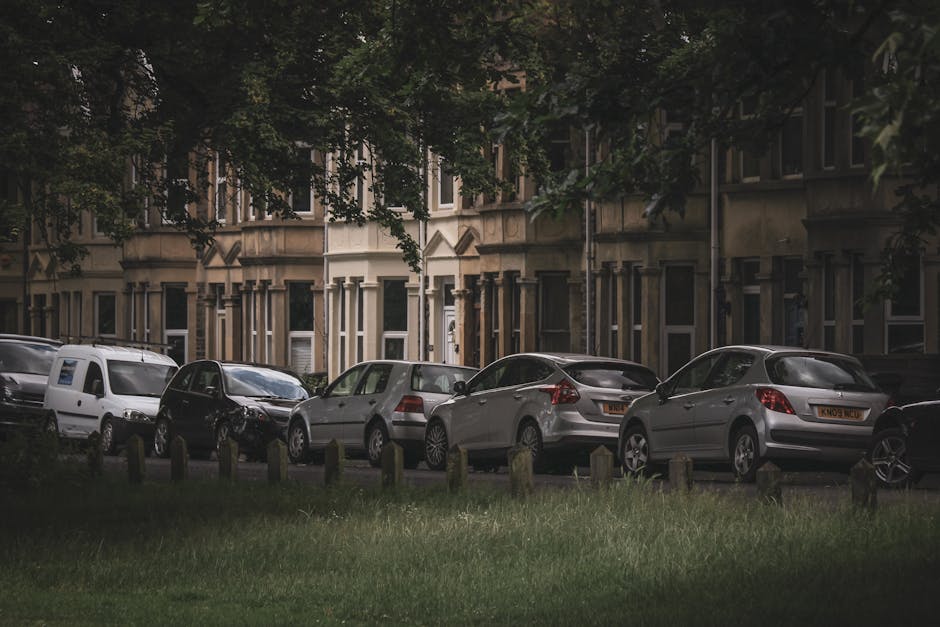
Moving out of Streatham Hill flats man and van access guide

Moving out of a flat in Streatham Hill can feel straightforward right up until the van turns up and real life kicks in. Narrow roads, awkward stairwells, tight parking, and the usual lift that seems to have a mind of its own can all slow things down. This Moving out of Streatham Hill flats man and van access guide is here to help you plan the access side properly, so moving day feels calmer and less like a last-minute scramble.
Whether you are leaving a top-floor conversion, a purpose-built block, or a small studio above a shop, access matters more than people expect. It affects timing, labour, vehicle choice, packing order, and even how likely it is that a sofa will make it out without drama. Let's get into the practical stuff.
Why Moving out of Streatham Hill flats man and van access guide Matters
Access is the hidden part of the move. People usually think about boxes, dates, and where the kettle is going. Fair enough. But in flats, the real friction often comes from the path between your front door and the vehicle. Is there a lift? Can the van park close enough? Are there steps at the entrance? Will a double mattress fit round the corner without scraping the wall? Those little questions decide whether move day feels tidy or chaotic.
Streatham Hill has a mix of housing types, and that variety is exactly why access planning matters. Some flats are easy enough: ground floor, decent forecourt, no terrible turns. Others are more of a puzzle. A man and van service can be a brilliant fit for these moves, but only if you match the service to the access reality. That means thinking about time slots, walking distance, loading points, and whether your items need extra handling.
To be fair, a lot of moving stress comes from assumptions. People assume the van can stop "just outside". They assume the lift will be free. They assume all boxes are small enough to carry in one trip. Then 8.30am arrives, the street is busy, and suddenly everyone is improvising. This guide helps you avoid that.
How Moving out of Streatham Hill flats man and van access guide Works
A good flat move starts with a simple access review. You look at the route from the flat to the vehicle and break it into steps. It sounds basic, but it's the difference between a smooth load and a day full of stops, detours, and heavy breathing in the hallway.
In practice, a man and van move usually works like this:
- Assess the flat access. Note the floor level, lift size, staircase width, and any tight corners or low ceilings.
- Check vehicle access. Think about where the van can park, how long it can stay there, and whether there are height or width restrictions.
- Plan the loading order. The largest and heaviest items usually go first, with fragile items separated and protected.
- Match the crew and vehicle. A smaller van may be ideal for access-limited streets, while a larger vehicle can reduce trips if parking is straightforward.
- Prepare the flat in advance. Boxes labelled, furniture dismantled where needed, and hallways kept clear.
The best moves are the ones where nobody has to think too hard on the day. That is the goal. If you have ever watched a wardrobe take three people, one turning foot, and a bit of luck to reach the landing, you already know why access planning is worth the effort.
If you are also comparing broader removal support, the main man and van service page is useful for understanding the kind of move this setup is best suited to, while flat removals explains the wider service approach for apartment moves.
Key Benefits and Practical Advantages
A well-planned man and van move for a Streatham Hill flat gives you more than convenience. It can reduce walking distance, cut down handling time, and make awkward access feel less like a problem and more like a normal part of the job.
- Less wasted time: When parking and loading are thought through in advance, there is less standing around trying to work out the next step.
- Better protection for furniture: Shorter carrying routes often mean fewer knocks, scuffs, and "oops" moments in narrow shared corridors.
- More flexible for tricky streets: Smaller vehicles can be easier to position near flats where parking is tight or traffic moves quickly.
- Lower physical strain: Fewer long carries up and down stairs is a big deal, especially if you have bulky furniture or several loads.
- Useful for partial moves: If you are not moving an entire house, a van-based service can be more sensible than a full lorry. Simple as that.
There is also a planning benefit that people underestimate. Once access is mapped out, packing becomes clearer. You stop dumping random items into whatever box is nearby. You start grouping by carry order. The move becomes a system rather than a panic.
For bigger or mixed moves, it can help to compare options like a removal van and removal truck hire. In a flat with limited access, smaller is not always a compromise; sometimes it is the smarter choice.
Who This Is For and When It Makes Sense
This guide is for anyone moving out of a flat in Streatham Hill where access is not perfectly straightforward. That includes students, renters, first-time movers, families downsizing, and people moving out of converted houses or upper-floor apartments. It also suits anyone who wants to avoid paying for more vehicle than they actually need.
It tends to make the most sense if:
- your flat is on an upper floor with stairs or a small lift
- parking outside the building is limited or unpredictable
- you have bulky furniture such as beds, wardrobes, desks, or a sofa
- you are doing a same-day move and need the process to be efficient
- you are moving a modest amount of belongings and do not need a full removals crew
Students and renters often find this approach especially practical. If you only have boxes, a desk, a mattress, and a couple of storage bits, a large vehicle can feel unnecessary. On the other hand, if you are moving from a two-bedroom flat with awkward access and lots of stairs, you may want a more robust plan and perhaps a service that sits closer to full removal services.
And if you are moving on a tight timeline, same-day removals can sometimes be the right fit, though access needs to be even more carefully checked when the clock is already working against you.
Step-by-Step Guidance
Here is the practical version. No fluff. Just the sequence that usually prevents most access headaches.
- Measure the awkward bits. Check door widths, stair turns, lift size, and anything that might block a sofa or mattress. Even a tape measure and ten minutes can save a lot of trouble.
- Look at the route to the van. Is there a short path, or will items need to be carried a long way through shared access? If the answer is "a bit of both", plan for the longer one.
- Find out where the van can legally and safely stop. A smooth loading point matters more than people think. If the vehicle has to circle the block three times, the whole schedule gets messy.
- Decide what needs dismantling. Beds, wardrobes, and shelving often move better in parts. Saves the walls too, which is never a bad thing.
- Pack with loading order in mind. Put heavy, stable items near the door first. Keep fragile boxes separate and clearly labelled.
- Clear shared areas. Hallways, stairwells, and entrances should be kept free. This is basic courtesy, but it also reduces the chance of accidents.
- Confirm timing. Give yourself a buffer if you are in a busy part of the day. Morning traffic and school runs can make even a short trip feel longer than it should.
- Keep essentials with you. Documents, keys, chargers, toiletries, and a change of clothes should not disappear into the back of the van. You will want them first, always.
A practical note from experience: people often overpack the first few boxes. Then they get to the stairs and realise they have made a fine, heavy brick. Lighten those boxes. Your back will thank you later. Honestly, it will.
Expert Tips for Better Results
Most flat moves are won or lost before the van even arrives. A few small decisions can make the day feel dramatically easier.
- Use smaller boxes for books and dense items. Heavy small boxes are much easier to carry than one heroic monster box that nobody enjoys lifting.
- Label by room and priority. "Kitchen - first open" helps more than you'd think when you are tired and hungry.
- Protect corners and shared walls. Cardboard, blankets, or furniture covers reduce scuffs in tight hallways.
- Keep a clear landing zone. A bit of space near the front door speeds up the handover. It sounds obvious, but people forget.
- Take a quick photo of any existing damage. Not dramatic, just sensible. Shared buildings can be a bit complicated if something gets marked during the move.
- Tell the crew about access quirks early. Low archway? Tight bend? Broken lift? Say it upfront. Nobody likes surprises that arrive with a wardrobe.
If your flat move overlaps with decluttering, consider whether some items are better sent for furniture removals or even a separate furniture pick-up. That can free up space and make the loading process cleaner. Sometimes less is genuinely more.
And if you are packing from scratch, the packing and boxes page is a sensible companion. For people who want help with the finish as well as the lift, packing and unpacking services can save a surprising amount of energy.
Common Mistakes to Avoid
Here is where moves go wrong more often than people admit.
- Assuming access is easy because the flat is small. Small flat, big access issue. Happens all the time.
- Not checking parking properly. If the van cannot stop close enough, the move slows down immediately.
- Leaving everything packed at the last minute. Late packing leads to rushed loading, and rushed loading leads to damage.
- Forgetting about shared stairwells and neighbours. A narrow landing with two other residents trying to get out is not the moment for chaos.
- Choosing the wrong vehicle size. Too small and you need extra trips; too large and access becomes the problem.
- Not mentioning fragile or awkward items. A piano, mirror, or oversized artwork changes the plan. It needs to be said early.
One of the most common mistakes is treating access like an afterthought. It is not. It is part of the move itself. The van, the building, the route, the packing, the time of day - they all connect. Miss one, and the rest wobble.
If you are moving from a smaller property and it is mostly personal belongings, a service such as student removals may be a good reference point for how lighter, simpler flat moves are usually handled.
Tools, Resources and Recommendations
You do not need a whole warehouse of equipment to move well. A few sensible tools make a big difference, especially in a flat where carrying conditions are not ideal.
- Strong packing boxes: Use a mix of small, medium, and a few larger boxes rather than one size for everything.
- Furniture blankets or thick covers: Useful for doors, bed frames, table legs, and anything that might scrape a wall.
- Basic tools: Screwdrivers, Allen keys, and tape often save the day when furniture needs quick dismantling.
- Labels and marker pens: A simple system beats guessing every time.
- Gloves and proper shoes: Flat shoes with grip are better than trainers that have seen better days. Comfort matters too.
On the service side, you may want to compare a man with a van and man with van approach with broader removals, depending on how much you are taking. The right choice usually comes down to access, volume, and how much help you need carrying items from the flat to the vehicle.
For short moves inside London, a flexible vehicle can be a real advantage. For heavier loads or more complicated house-to-house relocations, something like house removals or home moves may feel more suitable. The trick is matching the service to the reality of your stuff, not to wishful thinking.
Law, Compliance, Standards, or Best Practice
Most flat moves are guided more by common sense, property rules, and transport practicality than by anything dramatic. Still, a few best-practice points matter in the UK context.
First, parking and loading should be treated carefully. If a van blocks access, causes danger, or oversteps a local restriction, it can create avoidable problems. It is always better to check where a vehicle can reasonably stop and load without causing disruption. In shared buildings, you should also respect communal areas and keep exits clear.
Second, lifting and handling should be sensible. UK health and safety expectations generally favour reducing manual handling risks wherever possible. In plain English: use the right number of people, use the right equipment, and do not try to carry something silly because you want to save one trip. That sofa can wait two minutes.
Third, insurance and care matter. If you are using a removals provider, it is reasonable to ask how belongings are protected during loading, transit, and unloading. The same goes for building surfaces and shared hallways. If you want a broader look at this kind of reassurance, the site's insurance and safety information is a sensible place to start, alongside the health and safety policy.
Best practice is not about being fussy. It is about avoiding the kind of preventable issue that turns a simple move into a long afternoon with a sore shoulder and one irritated neighbour.
Options, Methods, or Comparison Table
If you are deciding how to move out of a flat in Streatham Hill, it helps to compare the most common approaches. The best option depends on access, volume, and how much carrying support you need.
| Option | Best for | Access fit | Main drawback |
|---|---|---|---|
| Man and van | Small to medium flat moves, quick local relocations | Very good where parking and stair access need flexibility | May need extra trips for larger loads |
| Removal van | Moderate loads with some bulky furniture | Good balance of space and manoeuvrability | Can still be awkward on tight streets |
| Removal truck hire | Larger moves with more volume | Works better when vehicle access is straightforward | May be excessive for compact flats |
| Full removal service | Busy households, large furniture, reduced DIY handling | Strong for more complex moves | Usually more than some flat movers need |
For many Streatham Hill flats, the sweet spot is the middle ground: enough support to manage access properly, but not so much vehicle size that the street becomes a problem. That balance matters. A lot.
If you are a business moving out of a small office flat conversion or live-work space, it may also be worth looking at commercial moves or office removals if equipment, filing, or workstations are part of the job.
Case Study or Real-World Example
Picture this: a one-bedroom flat on an upper floor in Streatham Hill, with a narrow staircase and no lift. The resident has a bed frame, mattress, desk, two shelves, four medium boxes, and a couple of suitcases. Nothing outrageous, but enough to be awkward.
The move goes well because the access was checked early. The desk was dismantled the night before. Boxes were sorted by weight. The van parked as close as possible without blocking the road. The mattress came out first, then the lighter boxes, then the flat-pack items. No one had to stop halfway through to rethink the plan. No frantic reshuffle. Just a steady carry, a bit of patience, and a clean finish.
Now compare that with the same move but no planning. The van arrives, the street is tighter than expected, the desk is still assembled, and the biggest box contains books, a lamp, and a regrettable number of jars. That is the sort of afternoon that makes everyone speak in clipped sentences.
Expert summary: In flat moves, the best results usually come from planning access before anything else. Once the route, parking, and loading order are clear, the rest of the move tends to behave itself.
If you want help understanding which type of moving support fits your situation, the removal companies page can help you think about the wider service landscape without jumping straight to the most expensive option.
Practical Checklist
Use this checklist a day or two before moving out. It keeps the access side tidy and the day itself much easier.
- Measure doorways, stair turns, and lift space
- Check where the van can park and load safely
- Tell the mover about any steps, tight corners, or low ceilings
- Dismantle large furniture if needed
- Pack heavy items into smaller boxes
- Label fragile items clearly
- Keep hallways and entrances clear
- Separate essentials for the first night
- Confirm timing and contact details
- Set aside keys, documents, and chargers
- Check whether you need storage for overflow items
If you are unsure about where everything will go straight away, short-term storage can be a useful pressure valve. It gives you space to move in stages instead of forcing every box into the new place on one tired evening.
And if your move involves a special item such as a keyboard or upright instrument, it is worth exploring piano removals rather than treating it like an ordinary box. Some things just need a bit more respect.
Get a free quote today and see how much you can save.
Conclusion
Moving out of a Streatham Hill flat does not need to be a stressful guessing game. Once you understand the access route, the parking reality, and the size of the job, everything becomes easier to plan. A man and van setup can be ideal for this kind of move, especially where stairs, narrow entrances, or tight street access are part of the picture.
The real win is not just saving money or time, though both matter. It is the calm that comes from knowing the move has been thought through properly. No big drama. No improvising in the rain. Just a practical, manageable process that gets you out cleanly and into the next place with less fuss than you feared.
And honestly, that is what most people want on moving day: less noise, fewer surprises, and a steady hand when the sofa meets the stairwell.
Frequently Asked Questions
What is a man and van access guide for Streatham Hill flats?
It is a practical guide that helps you plan the route, parking, loading, and handling needed to move out of a flat without unnecessary delays or damage.
Why does access matter so much when moving out of a flat?
Because the route from your door to the vehicle often determines how fast and safely furniture and boxes can be carried. Poor access usually means extra time, more lifting, and more risk of knocks.
Should I choose a man and van or a bigger removal truck?
If you are moving from a flat with limited parking or awkward access, a man and van or removal van is often more practical. A bigger truck can make sense for larger loads, but it is not always the easiest fit for tight streets.
How do I check if my flat has difficult access?
Look at the floor level, lift size, staircase width, corners, entrance steps, and how far the van will need to park from the front door. If any of those are awkward, the access is probably not straightforward.
Do I need to dismantle furniture before the move?
Not always, but large items like beds, wardrobes, and shelving often move better when partly dismantled. It makes carrying easier and reduces the chance of damage.
What should I tell the mover before moving day?
Tell them about stairs, lifts, parking restrictions, narrow halls, awkward furniture, and anything fragile or oversized. The more accurate the information, the better the plan.
Is same-day moving possible for a flat in Streatham Hill?
Sometimes, yes. But same-day moves work best when access is clear, the load is small to medium, and everything is packed and ready. If access is tricky, you should expect a more careful schedule.
What if the van cannot park close to my building?
Then the carry distance gets longer and the move takes more time. That is why parking and loading points should be checked in advance rather than assumed.
Do I need storage if I am moving out of a flat?
Only if your new place is not ready, or if you need to split the move into stages. Storage can be very handy when move-in dates do not line up neatly.
How can I protect hallways and shared areas during the move?
Keep the route clear, use covers or blankets on bulky furniture, and move carefully around corners and door frames. A bit of preparation goes a long way in shared buildings.
Are student flat moves different from regular flat moves?
Usually they are smaller, quicker, and packed with more boxes than furniture. But access still matters, especially in upper-floor flats or buildings with narrow stairwells. That part does not get easier just because the move is smaller.
What is the best first step if I am unsure about my access?
Measure the route and make a quick list of any obstacles. Then compare your load to the vehicle and service type you think you need. If it still feels uncertain, choose a provider that can work flexibly with flat access and local streets.